Explore
the ideas.
Read an article, try a model, and follow each idea back to Sun Tzu's text.
Concentration & dispersion
Explore how distribution changes the local balance of resources, and what a simplified model leaves out.
Open interactive model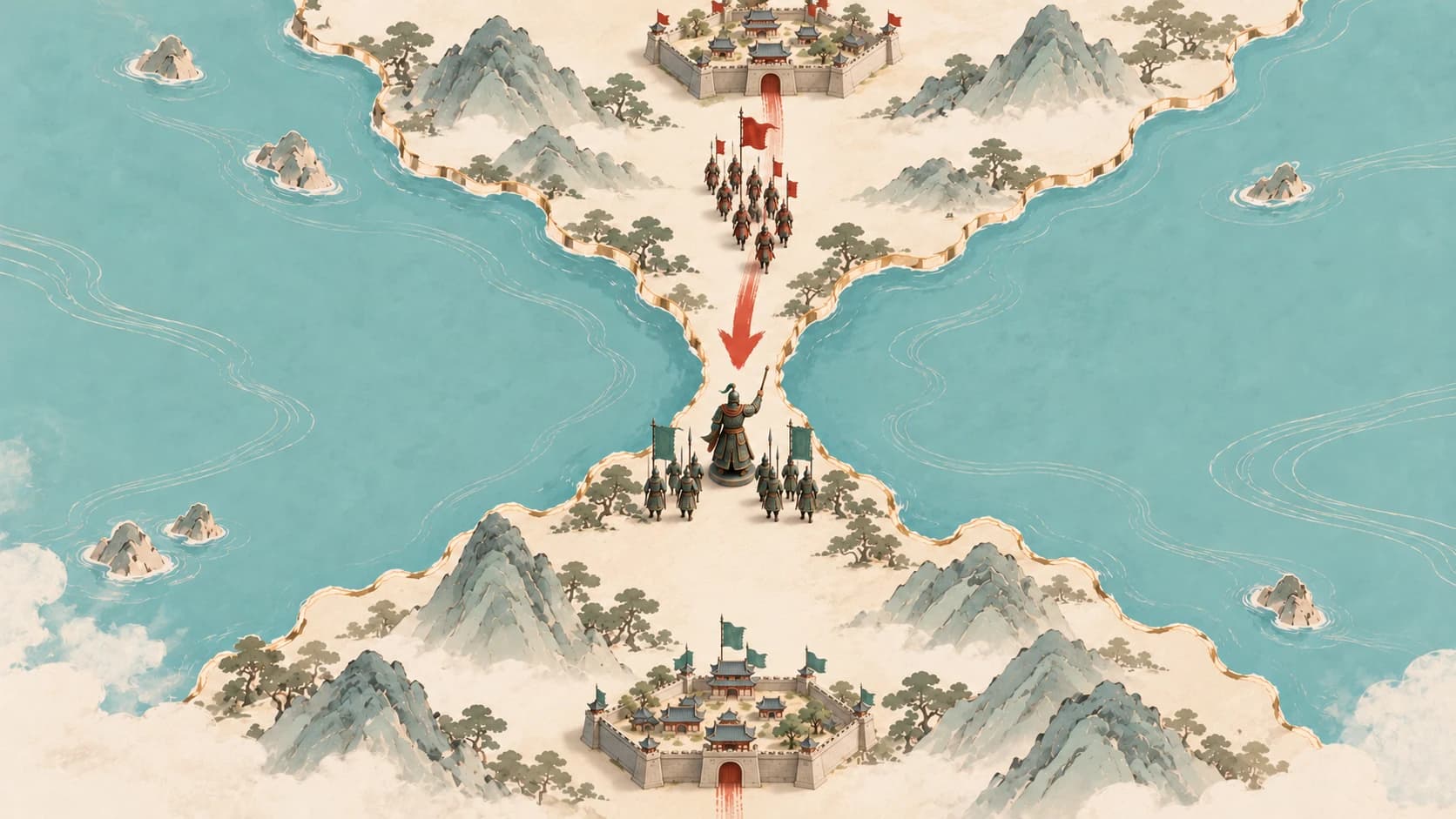
How to Find a Market Where Your Strengths Matter
A business strength becomes an advantage only where customers need it and the company can use it well. A practical reading of distance, difficulty, breadth, and viability in Sun Tzu's first chapter.
Read article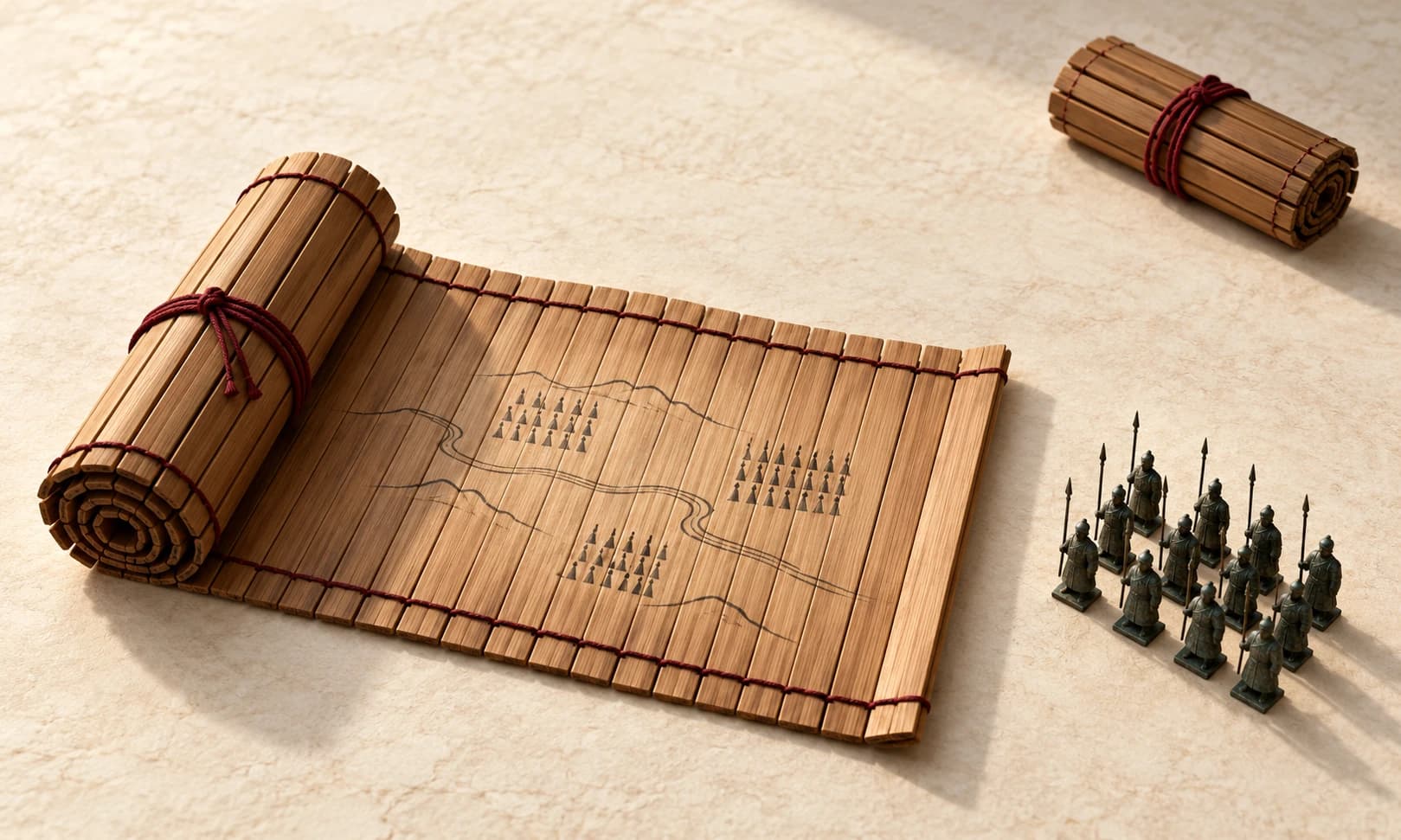
Competitive Intelligence: A Practical Evidence Checklist
Evaluate competitor claims, separate facts from inferences, and decide what to check next—with a practical reading of Sun Tzu's final chapter.
Read article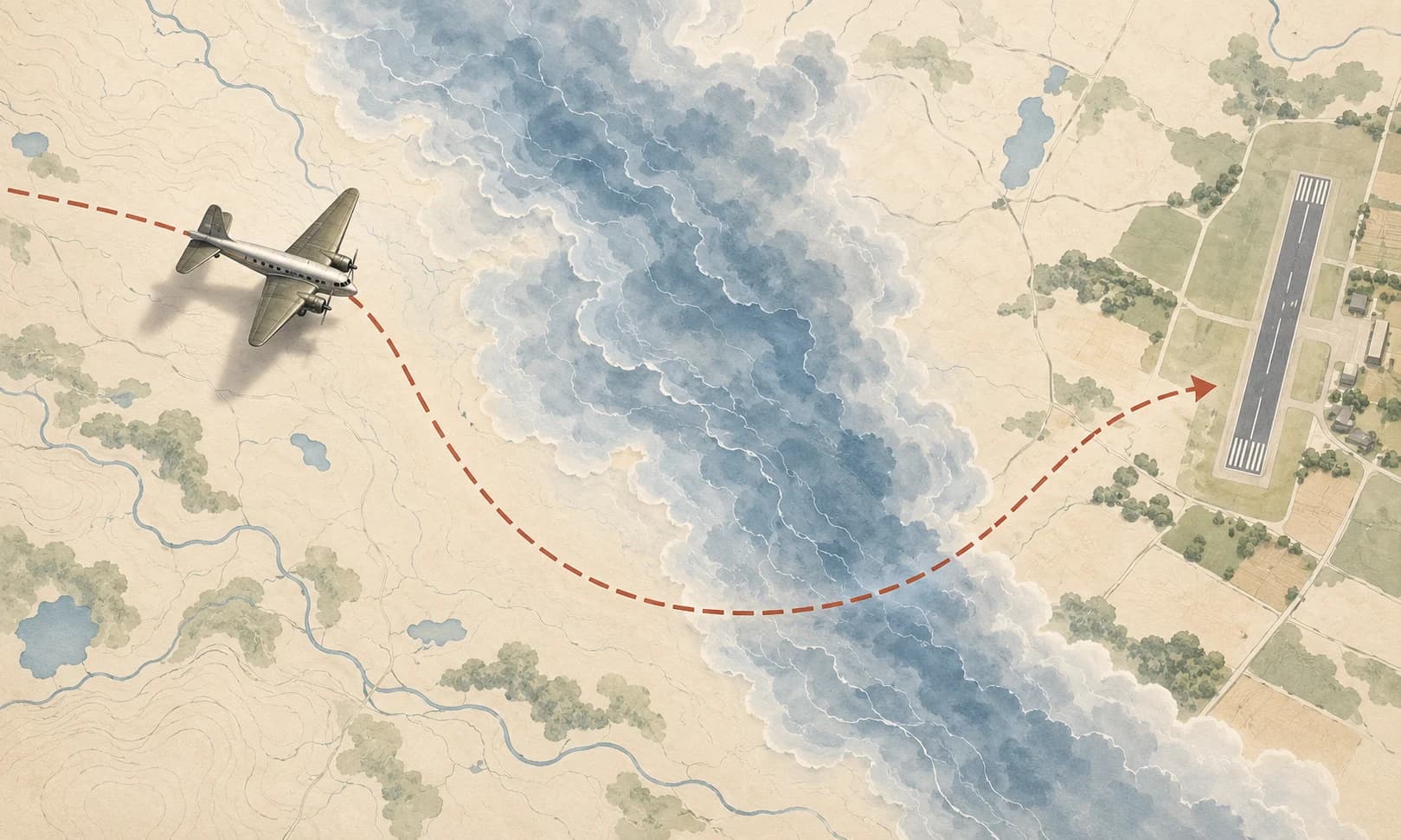
Why Sun Tzu Says to Understand the Cost Before the Gain
Chapter 2 says that the benefit of an action cannot be fully understood without its costs. What that means for major decisions—and how Charlie Munger used inversion to think through wartime flying hazards.
Read article
Five Matters Before a Campaign
How Dao, Heaven, Earth, the General, and Method offer five concurrent lenses for examining a campaign.
Read articleAn advantage is a relationship.
Reading weakness and strength as changing conditions, rather than permanent qualities.
Read articleBefore victory, count the cost.
Why the second chapter asks us to notice the resources consumed while an objective is pursued.
Read article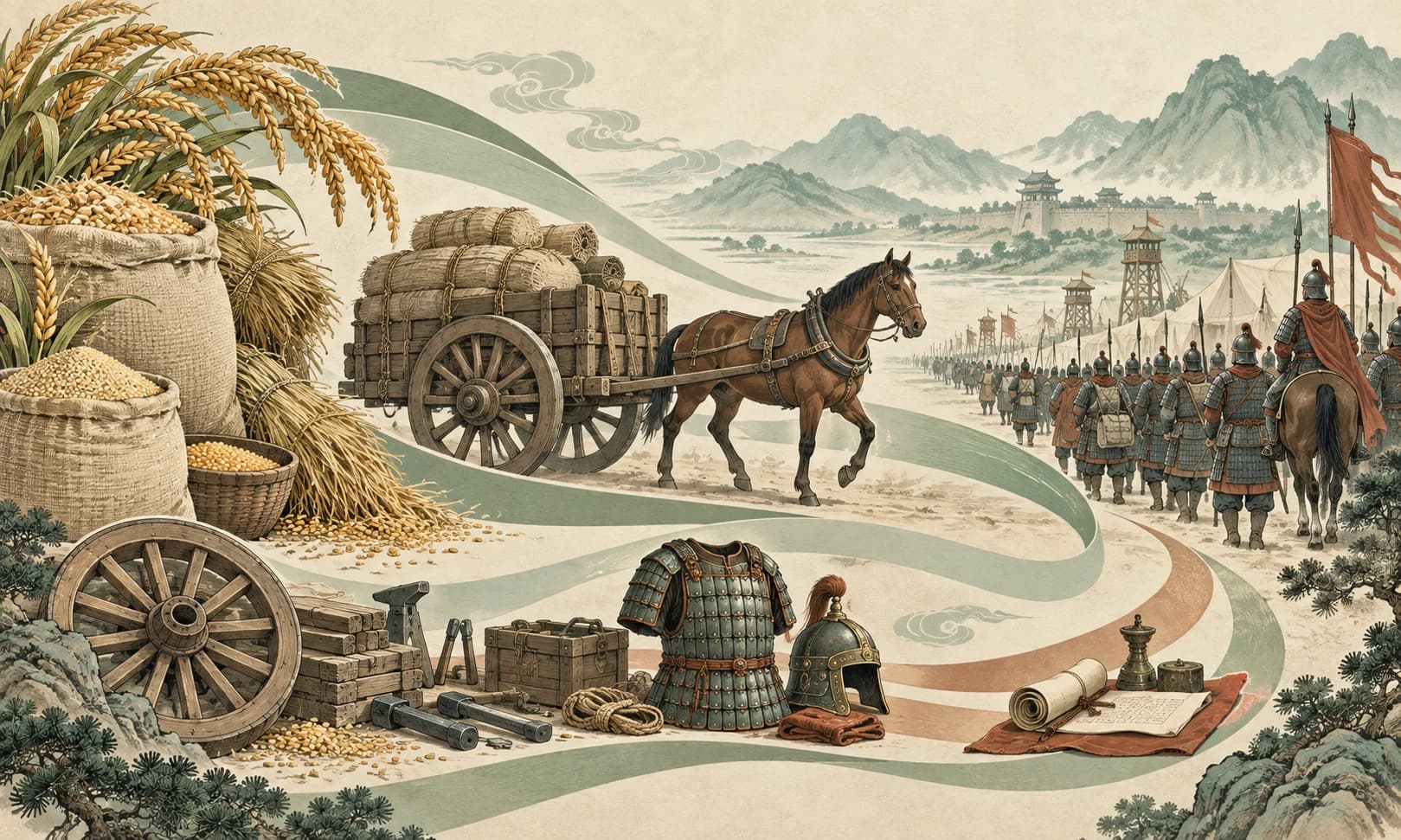
Where the Costs of War Flow
A source-linked Sankey reading of Chapter 2 follows grain, mobilization, transport, military upkeep, and the people who bear the costs.
Read articleOne launch. Three markets. A choice.
A fictional business exercise about focus, limited attention, and the assumptions behind an analogy.
Read article
Does “Know Your Enemy and Know Yourself” Guarantee Victory?
What 百战不殆 says, how Chapter 3 makes the choice to fight part of knowing victory, and where that reading has limits.
Read article