Read beyond
the famous lines.
A closer reading of The Art of War. Explore the original text, an independent translation, and interactive ideas that make the connections visible.
The same resources.
A different position.
From strategic aims
to field command.
Set strategic aims, read the conditions for advantage, then adapt command in the field. Intelligence carries the cycle forward.
Explore the whole-book mapEvery idea has a context.
- 01Laying plansWhat needs to be understood before acting?始计
- 02The cost of conflictWhat does a prolonged effort consume?作战
- 03Strategy before battleWhat, exactly, are you trying to preserve?谋攻
- 04Position before actionWhich conditions are within your control?军形
- 05The power of momentumHow does a position become potential?兵势
- 06Weakness & strengthWhere does an advantage actually exist?虚实
A little further into the ideas.
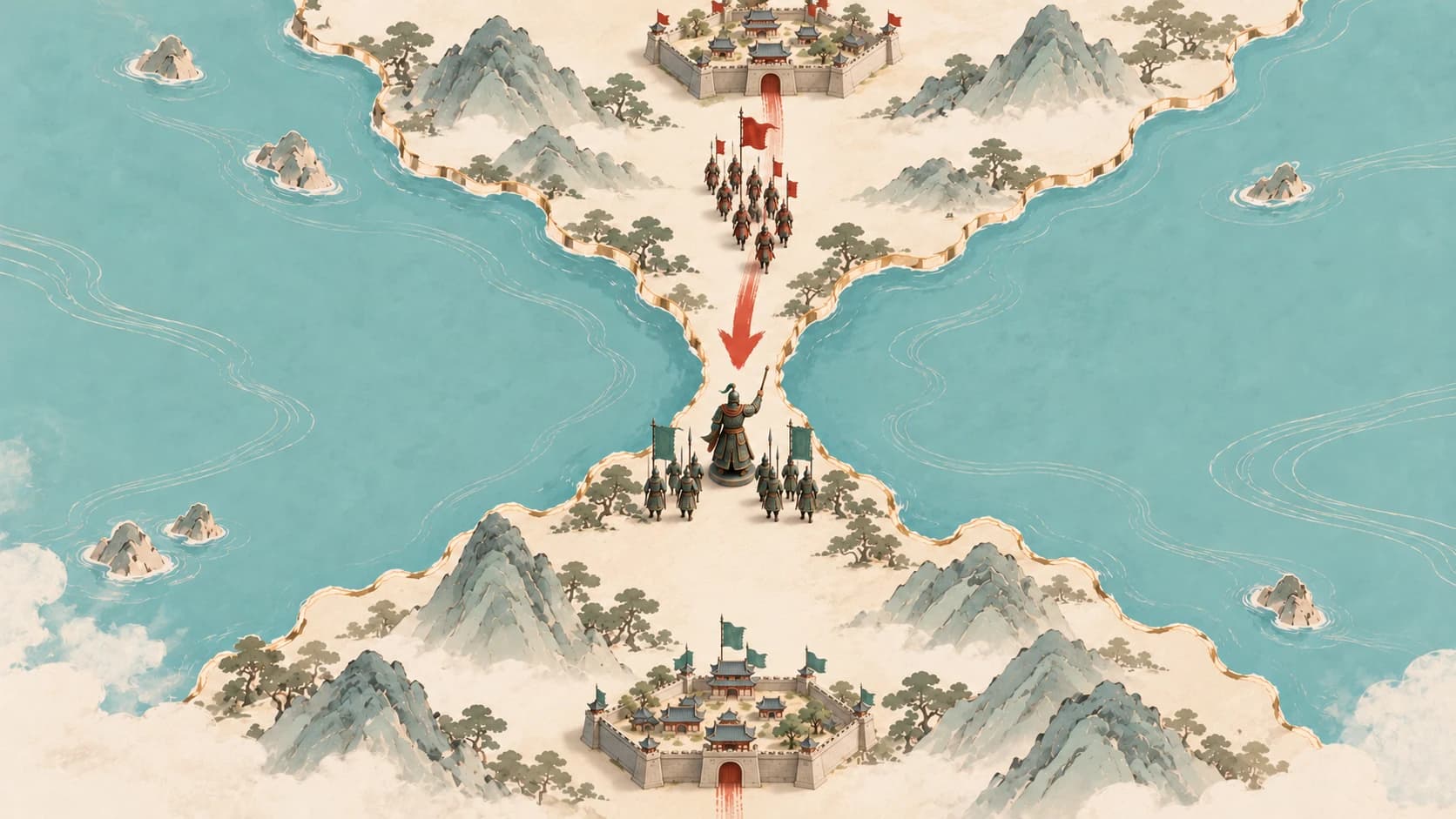
How to Find a Market Where Your Strengths Matter
A business strength becomes an advantage only where customers need it and the company can use it well. A practical reading of distance, difficulty, breadth, and viability in Sun Tzu's first chapter.
Competitive Intelligence: A Practical Evidence Checklist
Evaluate competitor claims, separate facts from inferences, and decide what to check next—with a practical reading of Sun Tzu's final chapter.
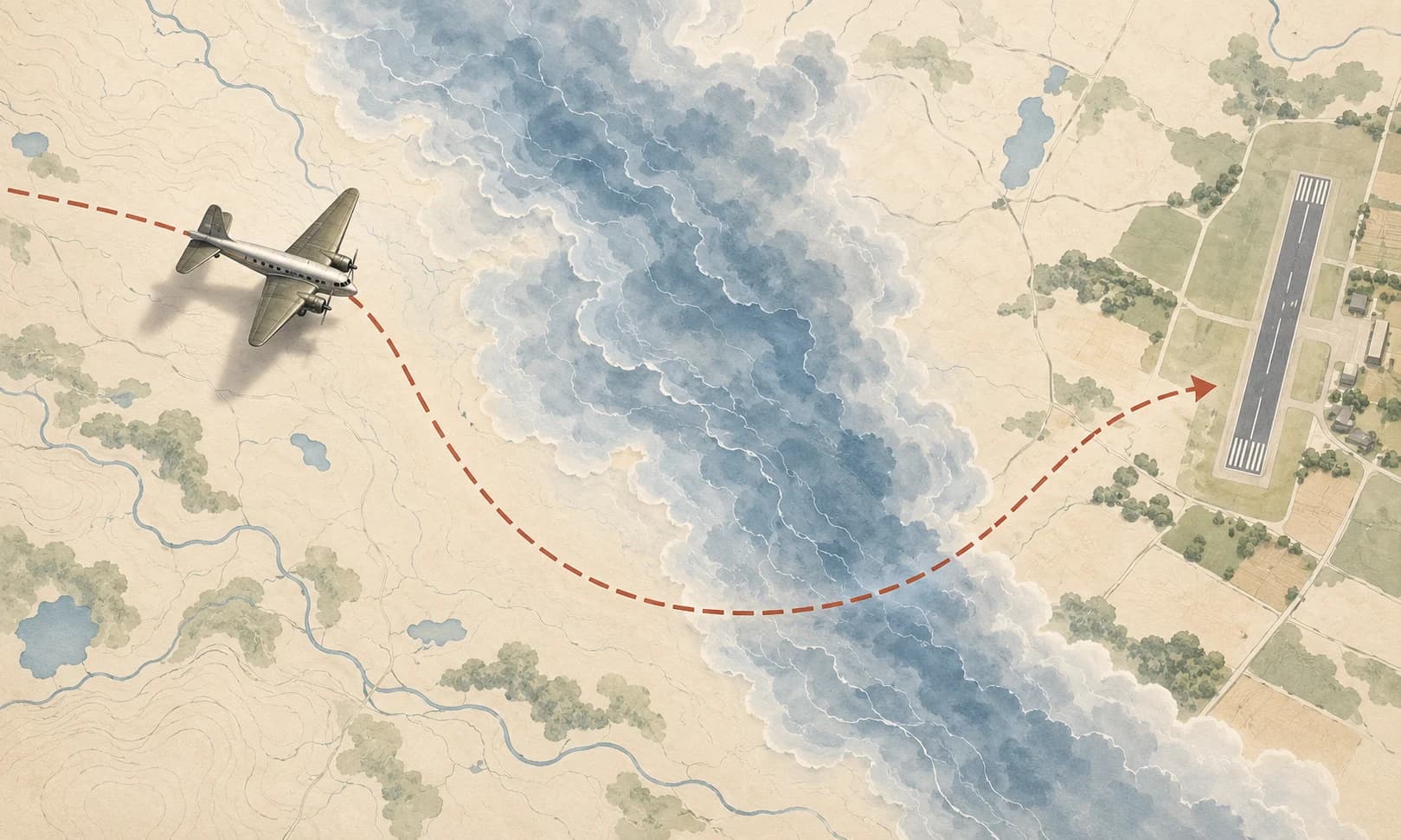
Why Sun Tzu Says to Understand the Cost Before the Gain
Chapter 2 says that the benefit of an action cannot be fully understood without its costs. What that means for major decisions—and how Charlie Munger used inversion to think through wartime flying hazards.

Five Matters Before a Campaign
How Dao, Heaven, Earth, the General, and Method offer five concurrent lenses for examining a campaign.
An advantage is a relationship.
Reading weakness and strength as changing conditions, rather than permanent qualities.
Before victory, count the cost.
Why the second chapter asks us to notice the resources consumed while an objective is pursued.
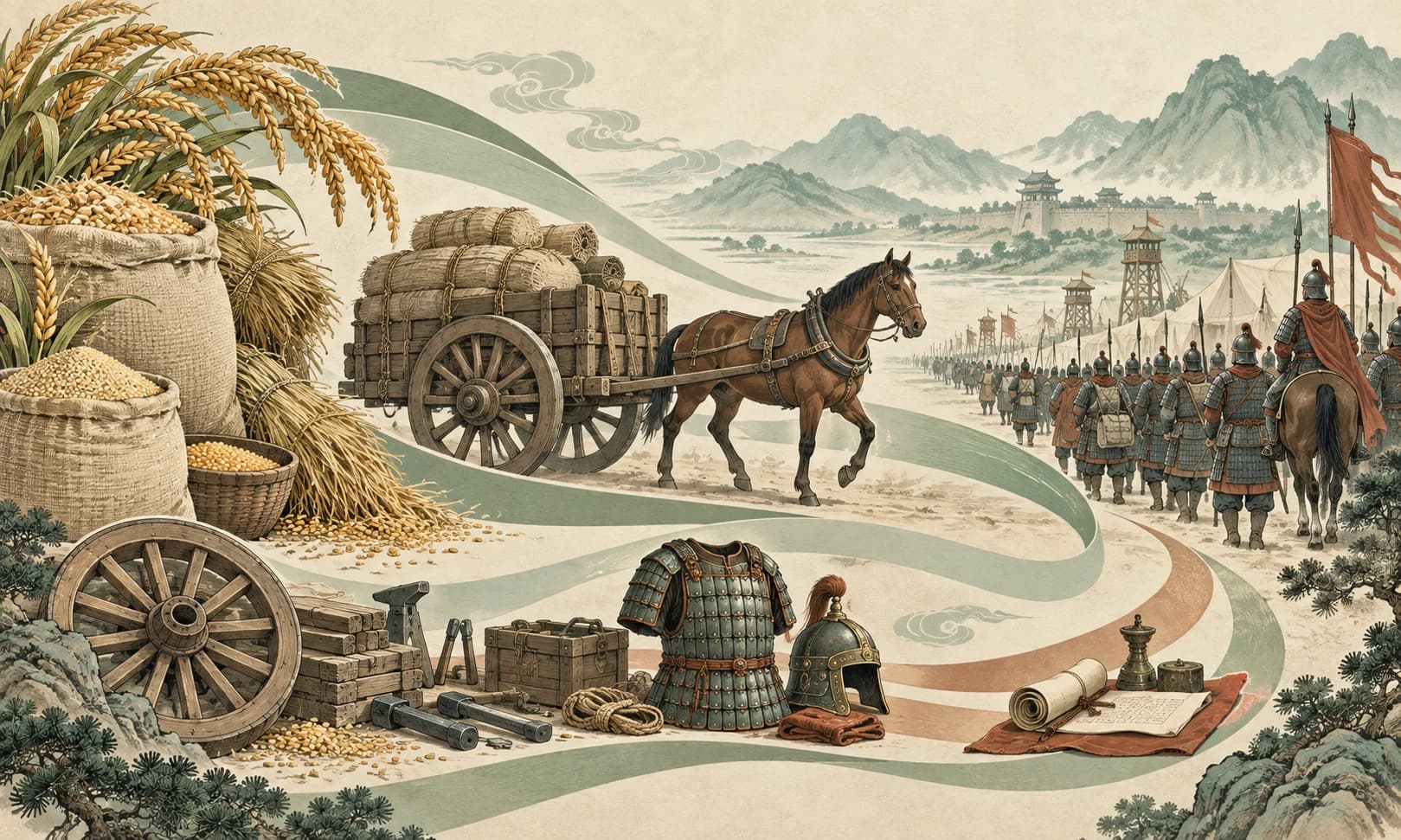
Where the Costs of War Flow
A source-linked Sankey reading of Chapter 2 follows grain, mobilization, transport, military upkeep, and the people who bear the costs.
One launch. Three markets. A choice.
A fictional business exercise about focus, limited attention, and the assumptions behind an analogy.
Does “Know Your Enemy and Know Yourself” Guarantee Victory?
What 百战不殆 says, how Chapter 3 makes the choice to fight part of knowing victory, and where that reading has limits.